
New Africa // Shutterstock
How to manage mental load in 2026: Checklists and tools that really work
Many people experience the invisible weight of remembering everything that needs to get done to keep life running smoothly. Itâs called the mental load, and it can include juggling work deadlines, everyday chores, making appointments, remembering birthdays and everything in between. Itâs a lot, and it can take a serious toll on your well-being.
The good news is thereâs a simple system that can help clear some headspace and lighten that load. Inspired by productivity expert David Allenâs Getting Things Done method, this system offers a practical way to stay organized, focus on what matters and keep your mind calm and clear. LifeStance Health shares how to create your own.
What is mental load?
Mental load is the invisible labor of keeping track of everything that needs to happen in your life and your household. Itâs the constant mental juggling act of remembering who needs what, when things are due, whatâs running low and whatâs coming next.
Anyone can experience mental load, but research shows it often falls heavily on women and caregivers. Over time, that constant background stress may lead to exhaustion, irritability and even burnout. Understanding what mental load isâand acknowledging itâis often the first step toward managing it.
What is a mental load checklist?
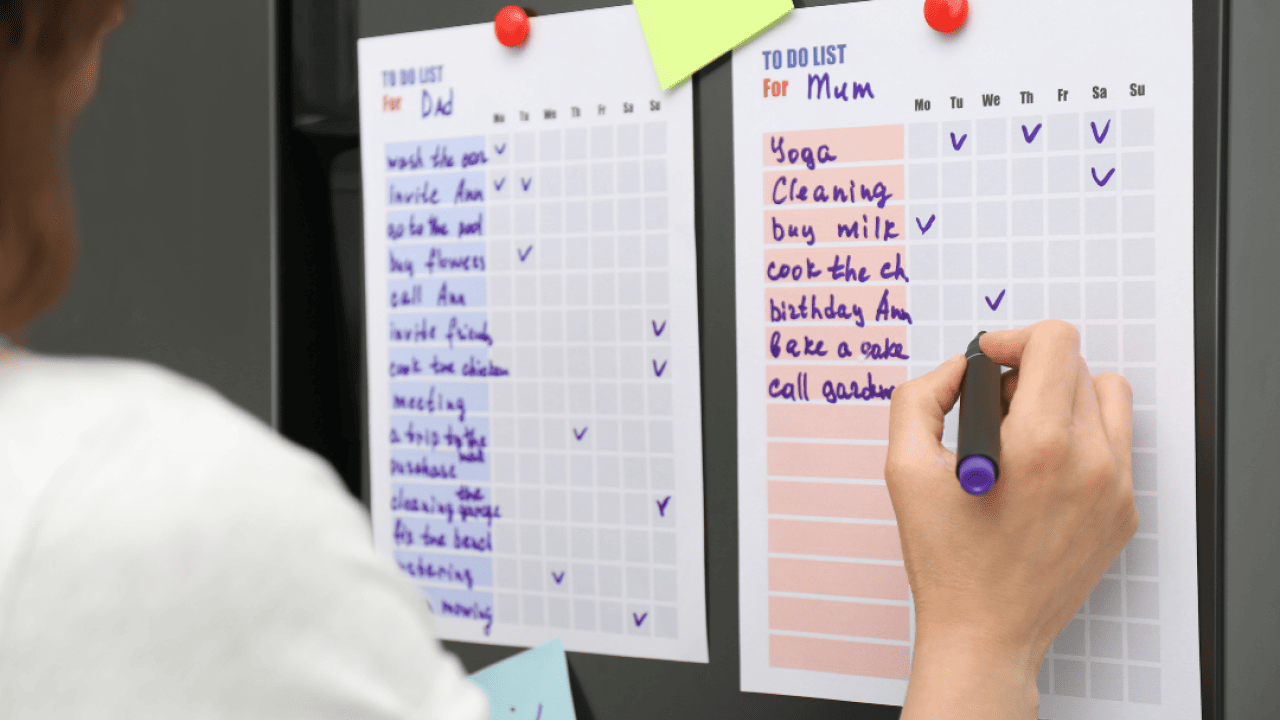
A mental load checklist is a simple tool that may help you get everything out of your head and into a reliable system. Instead of trying to remember every little thing, you capture, sort and prioritize your responsibilities in one place.
This process turns that invisible list in your mind into something tangible you may manage and track.
Sample mental load checklist
Hereâs an example of what your mental load checklist might look like. You may create your own digital or printable mental load checklist using these categories or personalize it to your needs.
Daily tasks
- Respond to work emails
- Prep meals or snacks
- Check calendar for appointments
Household tasks
- Grocery run
- Laundry
- Schedule car maintenance
Family and relationships
- Plan family dinner
- Send birthday card
- Coordinate school drop-offs
Self-care
- Meditation or a workout
- Journal
- Set bedtime reminder
How to deal with mental load?
Step 1: Create an inbox system
If a task or idea isnât written down, itâs likely youâll forget about it, and it wonât get done. Thatâs why having an inbox system to jot down every task, thought, idea or reminder as you go about your day is absolutely essential for keeping your mental load light.
Your inbox can be anything. Digital task management apps that sync across devices, notebooks, or even a physical box on a desk may all work effectively. The goal is to capture everything in one place so it doesnât take up mental space.
Need toothpaste? Add it to the inbox.
Remembered that your friendâs birthday is coming up? Inbox.
Want to bake brownies this weekend? Yup, that goes in your inbox.
When your thoughts have a home, your brain doesnât have to hold on so tightly.
Step 2: Categorize and prioritize
Once everything is out of your head, itâs time to organize it. Sorting tasks, ideas and reminders by urgency and type may make it easier to see what needs your attention now and what can wait. Everyoneâs categorizing system will look a little different depending on their needs, but here are some general buckets that tend to work well. Feel free to tweak them to fit your lifestyle.
- Add time-based items to your calendar. Anything with a specific date and time, such as appointments or deadlines, goes straight into your calendar (digital or paper). It keeps time-sensitive things visible without cluttering your to-do list.
- Highlight high-priority tasks. These are the things that need your attention right awayâtoday, this week or this month. Label them clearly so you can focus on whatâs truly urgent rather than spinning your wheels on low-priority tasks.
- Keep a master task list. Anything thatâs not urgent, move to a master task list. Review this list weekly and pull items into your current to-do list as needed.
- Archive ideas. Not everything in your inbox will be a to-do. Sometimes itâs a restaurant to try, a podcast recommendation, a quote you loved or a random idea. Keep these separate from your action items so you can still reference them later without overwhelming your main list.
Step 3: Review your inbox regularly
Once your inbox system is up and running, the most important part is to review it regularly. This is when you take time to categorize and decide what deserves your focus next. How often you review is up to you, but reviewing it daily (even if itâs just a few minutes) or at least weekly is ideal. Consistent check-ins keep your system working and your mind clear.
Getting into the habit of capturing whatâs on your mind, reviewing it with intention and giving each task, reminder or idea a home takes practice, but it may be beneficial for many people. Over time, youâll work toward trusting your system more and feel that mental load start to lighten.
The takeaway
Your mind doesnât have to carry everything. By creating a mental load checklist, you may give your thoughts, responsibilities and reminders a place to live outside your head. Itâs often a simple, realistic way to reduce stress, feel more organized and focus on what really matters.
LifeStance does not endorse any specific productivity tools or platforms.
This story was published by LifeStance Health and reviewed and distributed by Stacker.