
Key Takeaways
- Persistent sparking, warm or discolored outlets, burning odors, and buzzing at the panel are all signs to stop using the affected equipment right away and contact a qualified electrician
- Smoke, visible flame, an electrical shock injury, or a downed power line calls for 911 before anything else
- Repeated breaker trips or blown fuses often point to an overloaded circuit that needs a professional look, not a quick reset and move on
- Knowing how to safely shut off power at the main breaker can make a real difference while waiting for help to arrive
- Mister Sparky Fort Wayne explains that a preventative electrical inspection can catch aging wiring and other hidden hazards before they turn into an emergency – find more expert insights below
Electrical trouble rarely announces itself with a single dramatic moment. More often, it shows up as a small warning sign that homeowners brush off until something bigger happens.
Learning to recognize those warning signs, and knowing the difference between a problem that needs a phone call versus one that needs 911, can protect both a home and the people living in it.
Electrical Warning Signs Demand Action
A flickering light or a warm outlet might seem minor, but these small clues are often a home’s electrical system asking for attention. Electrical fires and shocks rarely happen without some kind of buildup, whether it’s a loose connection slowly heating up or a circuit that has been asked to carry more power than it was designed for. Catching these signals early is one of the simplest ways to avoid a costly, dangerous situation later.
Stop Using Equipment Showing These Signs
Certain warning signs mean an appliance, outlet, or circuit needs to be left alone until a professional takes a look. Continuing to use equipment that shows these symptoms raises the risk of fire, shock, or further damage to the home’s wiring.
Sparking, Warm, or Discolored Outlets
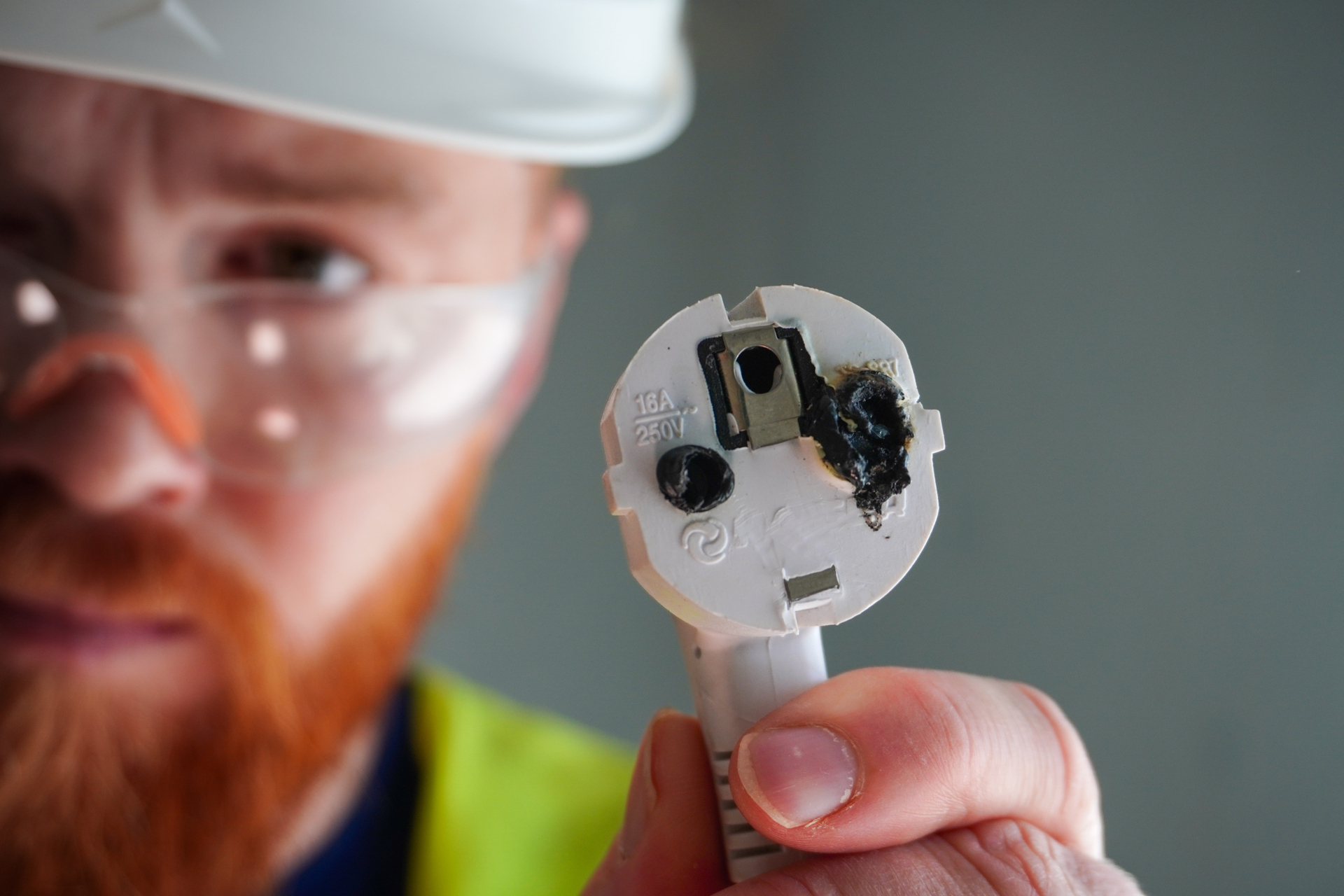
An outlet that sparks, feels warm to the touch, or shows discoloration around the plate is signaling a possible fire hazard. Large or continuous sparks, a loose socket, or any visible scorch marks mean the outlet should be switched off, if it has a switch, and left unused. A qualified electrician should be contacted promptly to inspect the outlet and the wiring behind it before it’s used again.
Burning or Rubbery Odors
A burning smell or a rubbery odor coming from an appliance, outlet, or wall is never something to wait out. This kind of smell often means insulation on a wire is overheating or melting, which can happen well before any visible smoke appears. An electrician or landlord should be contacted right away when a burning or rubbery smell shows up, and use of the appliance or outlet in question should stop immediately.
Buzzing, Crackling, or Burn Marks at the Panel
The electrical panel is the heart of a home’s power distribution, so unusual sounds or marks there deserve quick attention. Popping, buzzing, clicking, or crackling noises coming from the panel, along with any burn marks or a burning-plastic smell, are reasons to have a qualified electrician check the panel immediately. These symptoms can point to loose connections, deteriorating components, or wiring that is carrying more current than it should.
Repeated Breaker Trips or Blown Fuses
A breaker that trips once in a while, especially during a storm or a power surge, usually isn’t cause for alarm. Frequent blown fuses or tripped breakers are a different story, since this pattern often points to an overloaded circuit that needs a professional inspection and possibly a repair or upgrade. Homes that have added new appliances, extra refrigerators, or other heavy-demand equipment over the years are especially prone to outgrowing their original wiring and breaker setup.
When It’s a True Emergency
Some electrical situations move past the “call an electrician soon” category and into true emergencies that need immediate action from first responders. Recognizing these moments quickly can save lives.
Smoke, Fire, or Visible Flame
If an outlet sparks and smoke or any other sign of fire appears, the right move is to call 911 and leave the home immediately. Reentry should wait until firefighters confirm it’s safe to go back inside. No amount of curiosity or desire to assess the damage is worth risking exposure to smoke or flame.
Electrical Shock or Injury
A person being shocked should never be touched directly, since the electrical current can pass through to whoever makes contact. Power should be shut off if it can be done safely, 911 should be called, and a nonconductive object can be used to separate the person from the electrical source only if the power cannot be turned off in time. Anyone who has experienced an electric shock should get medical care even without obvious symptoms, and a high-voltage shock requires immediate emergency attention.
Downed Power Lines
Every downed power line should be treated as if it’s live, even if it isn’t sparking or making any sound. Keeping a distance of at least 15 yards and calling 911 is the safest response, since there’s no reliable way to tell from a distance whether a line is energized.
Staying Safe Until Help Arrives
What happens in the minutes before help arrives can matter just as much as the call itself. A few simple precautions reduce the risk of injury while waiting for an electrician or emergency responders.
Never Touch Wires or Standing Water
Damaged cords or wires should never be handled directly; a professional should always take care of the repair. If electrical equipment or circuits have become wet, stepping into standing water to reach the main breaker is not a safe option. An electrician should be called to cut power when needed, and the system should not be turned back on until a qualified electrician has inspected it and confirmed everything is dry.
Shutting Off Power at the Main Breaker
When frayed wiring, sparking, or a burning smell shows up without visible fire, shutting off the system at the main breaker can prevent the situation from getting worse, as long as it can be done safely. This single step limits the flow of electricity to the affected circuit and buys time until a professional arrives to diagnose the cause.
Why Aging Wiring Raises the Stakes
Older homes often carry wiring and breaker boxes that were never designed for today’s electrical demands. Outdated wiring and breaker boxes that can’t handle household demands can contribute to overheating and fire hazards, particularly as homeowners add more appliances, electronics, and devices over time. Damaged, corroded, or worn wiring can also contribute to arc faults, shocks, and fires, which makes defective wiring a priority to replace rather than a problem to postpone.
Homes that haven’t been updated in decades are especially worth a closer look, since insulation breaks down and connections loosen with age in ways that aren’t always visible from the outside. A visual check alone often misses these hidden risks.
Preventative Inspections Catch Hazards Early
An electrical inspection assesses outlets, wiring, breakers, grounding, and insulation, giving a clear picture of a home’s electrical health rather than relying on guesswork. This kind of inspection is worth considering when buying, selling, or remodeling a home, and also when adding appliances that place heavy demands on existing wiring and breakers, such as a new water heater, an EV charger, or additional refrigeration.
A few moments of professional evaluation can surface problems long before they turn into an emergency call. Homeowners can also take an active role between inspections:
- Check visible wiring regularly for exposed, melting, fraying, or cracking sections
- Avoid running cords across doorways or tucking them under carpets
- Make sure outlets aren’t carrying more than one plug at a time
- Confirm light bulbs match the wattage rating of their fixtures
- Keep an eye out for appliances that cause lights to dim when running
For a professional look at outdated wiring or an aging panel, an electrical inspection can identify risks that aren’t obvious from a quick glance around the house.
Early Warnings Deserve a Professional Call
Electrical problems rarely stay small for long. A warm outlet, a buzzing panel, or a breaker that trips more often than it should are all signals worth taking seriously, and acting on them early is far less stressful than dealing with a fire, a shock injury, or a total power outage later. Smoke, fire, injury, and downed lines call for 911 without hesitation, while everything else on this list is a solid reason to stop using the equipment in question and reach out to a licensed electrician.
Thinking of taking the next step? Mister Sparky Fort Wayne has more resources explaining why scheduling a home electrical safety inspection before small warning signs turn into bigger problems is one of the most practical ways you can protect both your house and the people inside it.
Mister Sparky Fort Wayne
3404 Metro Park Drive North
Unit A,
Fort Wayne
Indiana
46818
United States


